School Culture in Lead For Ghana Partner Schools: Improving Schools From Within
1.0 Introduction
There is strong evidence that school culture influences students’ academic performance (MacNeil et al., 2009; Adom et. al.,2021; Parveen et al., 2024). Generally, a positive school culture and climate, cultivated through quality school management practices such as effective leadership, teacher engagement in decision-making, quality planning, staff training, and teacher collaboration leads to better student outcomes. Schools with quality management practices also support good relationships between school leaders and teachers, with school leaders striving to provide teachers with the appropriate tools they need to perform effectively (Edgerson, Kritsonis, & Herrington, 2006). Overall, a positive school culture contributes to professional satisfaction, effectiveness, morale among teachers, leading to better teacher performance, leading to better student outcomes. A positive school culture also supports student motivation and creativity, further contributing to increased student outcomes. In contrast, unhealthy school cultures can undermine effectiveness and dampen motivation to learn among students, staff, and leadership teams.
This month’s Insights, themed, School Culture in Lead For Ghana Partner Schools: Improving Schools From Within, presents a snapshot of findings from Lead For Ghana’s perennial school culture surveys which were administered to students, teachers and school leaders in our partner schools to assess their perspectives on school culture in their respective schools. Two standardized tools were used: the Delaware School Climate Scale (DSCS) (Bear et al., 2016) was administered to students in Basic 4 to SHS 3 across all our partner schools, with a total of 5,084 students completing the survey; and the School Culture Survey (SCS) was administered to school staff and school leaders in our partner schools, with a total of 647 teachers and school leaders completing the survey.
2.0 The Surveys
The Delaware School Climate Scale (DSCS) (Bear et al., 2016) is a 31-item survey which assessed students’ perspectives on school culture based on the following six scales:
Student Engagement Schoolwide: The cognitive, behavioral, and emotional dimensions of school engagement among students.
Student-Student Relations: The degree to which students believe that relationships among each other is positive.
Teacher-Student Relations: The degree to which students believe that teachers are caring, respectful, and provide emotional support to students.
Clarity of Expectations: The degree to which students believe that expectations and sanctions for misbehaviour are clear.
Fairness of Rules: The degree to which students believe that expectations and sanctions for misbehaviour are fair.
School Safety: The degree to which students feel safe in the school.
Bullying Schoolwide: The degree to which students see bullying does not happen among students.
The School Culture Survey (SCS) developed by Gruenert & Valentine (1998) is a 35-item survey which assesses teachers’ and school leaders’ perception on school culture based on the following six scales:
Learning Partnership: The degree to which teachers, parents, and the students work together for the common good of the student.3.0 Child labour statistics in Ghana.
Collaborative Leadership: The degree to which school leaders establish and maintain collaborative relationships with school staff.
Teacher Collaboration: The degree to which teachers engage in constructive dialogue that furthers the educational vision of the school.
Collegial Support: The degree to which teachers work together effectively.
Unity of Purpose: The degree to which teachers work toward a common mission for the school.
Professional Development: The degree to which teachers value continuous personal development and school-wide improvement.
Both surveys used a 5-point likert scale(i.e. strongly disagree (1), disagree (2), neutral (3), agree (4) and strongly agree (5) and aggregate scoring for the school culture scales were done using averages shown in table below:

3.0 Students’ perceptions of school culture
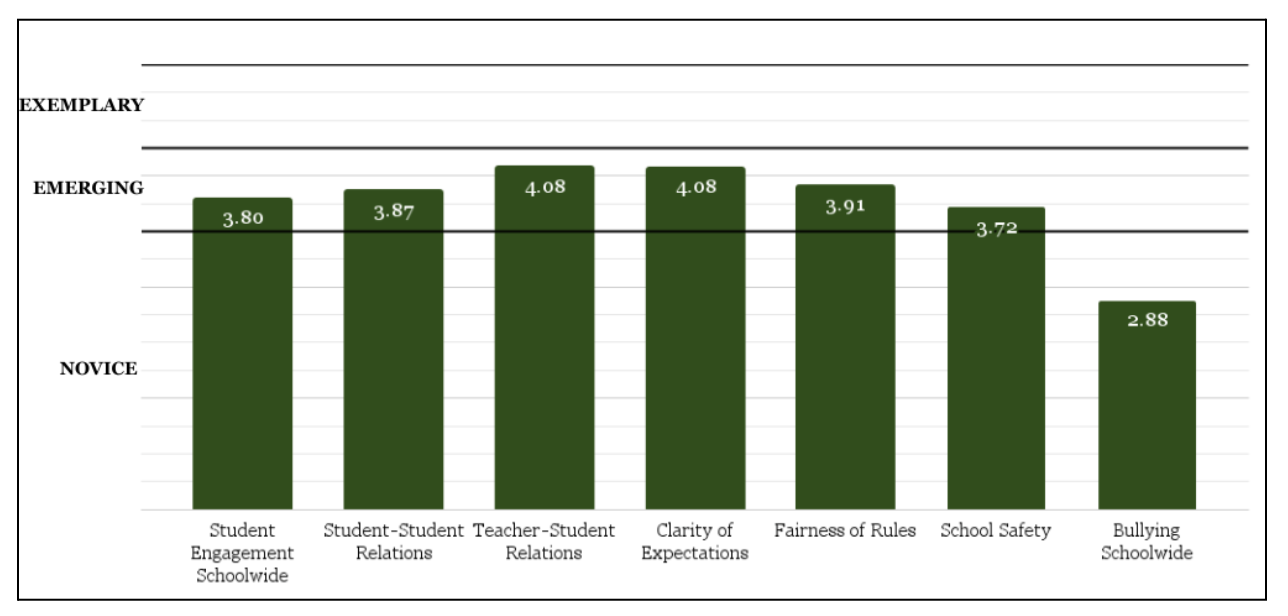
The DSCS results showed that, on average, partner schools are at an Emerging level across all DSCS scales except Bullying Schoolwide, which is at the Novice level. Teacher-Student Relations and Clarity of Expectations are the strongest domains, indicating that students generally perceive their teachers as caring and find rules and expectations clear. Student–Student Relations, Fairness of Rules, Student Engagement, and School Safety are also at Emerging levels but with lower scores, while bullying stands out as a persistent concern, especially in SHS and SHTS.
4.0 Teachers’ and school leaders’ perceptions of school culture
The SCS results show a broadly Emerging school culture, with clear strengths in Professional Development and Unity of Purpose and weaker results in Collaborative Leadership and Learning Partnership. Teachers report that they value professional growth and align with their schools’ mission, but also highlight gaps in shared decision-making, communication with parents, trust among colleagues, and opportunities for joint planning and peer feedback. These patterns suggest that while a basic professional culture is in place, structures for collaboration and distributed leadership remain underdeveloped.
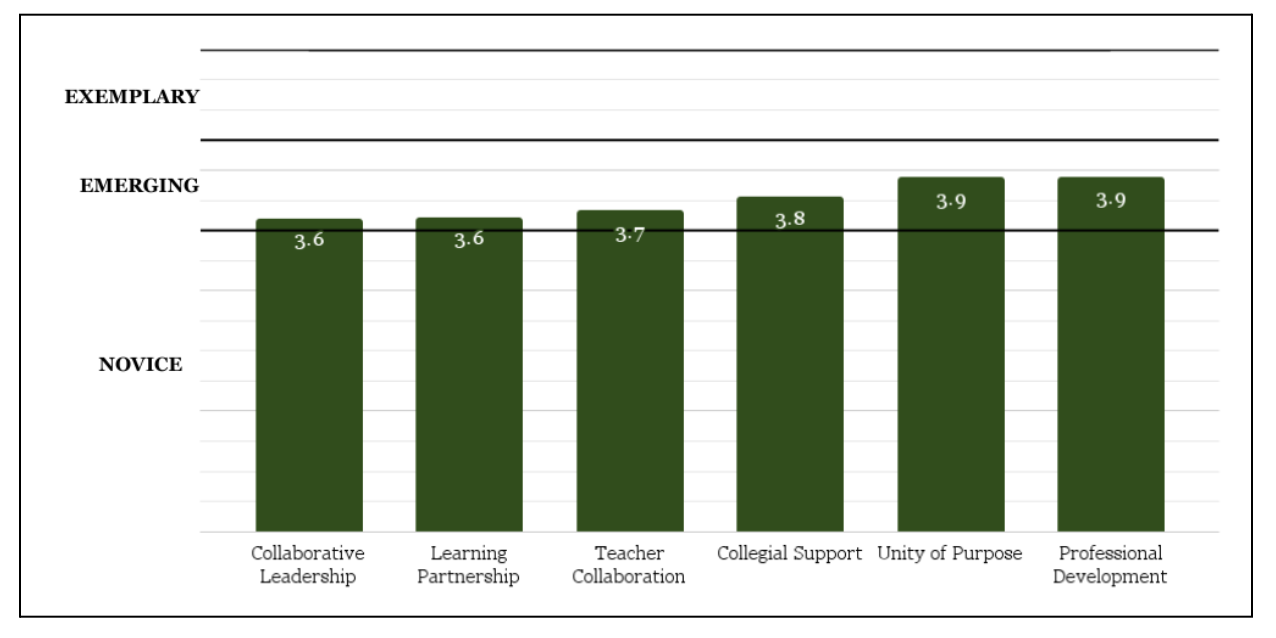
Figure 1: Parent responses on student motivation
5.0 Conclusion
Overall, the surveys indicate that Lead For Ghana partner schools are at an Emerging level of supportive teacher–student relationships, professional commitment, and basic collaboration, but face persistent challenges with bullying, student safety, collaborative leadership, and sustained school–community partnerships. In response, the report recommends a coordinated set of actions for LFG and school leaders: strengthening anti-bullying and safety interventions; enhancing student engagement and voice; building collaborative leadership and teacher partnerships; deepening parent and community engagement; formalizing long-term community partnerships; and reinforcing shared accountability systems. These measures are intended to move schools and communities from Novice and Emerging levels toward more consistent Exemplary practice in school culture and community leadership. Finally, implementing these improvements in school culture will not only enhance relationships and collaboration within schools but also create the conditions proven to boost student engagement, reduce barriers to learning, and improve student performance.
6.0 References
Adom, D., Sharma, E., Sharma, S., & Agyei, I. K. (2021). Teaching strategies, school environment, and culture: Drivers of creative pedagogy in Ghanaian schools. Studies in Learning and Teaching, 2(2), 12-25.
Bear, G., Yang, C., Harris, A., Mantz, L., Hearn, S., & Boyer, D. (2021). Technical Manual for the Delaware School Survey: Scales of School Climate; Bullying Victimization; Student Engagement; Positive, Punitive, and Social Emotional Learning Techniques; and Social and Emotional Competencies. Newark, DE: Center for Disabilities Studies.
Edgerson, D. E., Kritsonis, W. A., & Herrington, D. (2006). The Critical Role of the Teacher-Principal Relationship in the Improvement of Student Achievement in Public Schools of the United States. Online Submission, 3.
Gruenert, S., & Valentine, J. (1998). School culture survey. Unpublished doctoral dissertation, University of Missouri, Columbia, 53.
MacNeil, A. J., Prater, D. L., & Busch, S. (2009). The effects of school culture and climate on student achievement. International Journal of leadership in Education, 12(1), 73-84.
Parveen, K., Phuc, T. Q. B., Alghamdi, A. A., Kumar, T., Aslam, S., Shafiq, M., & Saleem, A. (2024). The contribution of quality management practices to student performance: Mediated by school culture. Heliyon, 10(15)